


Coconut Oil
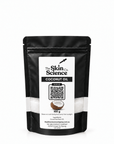
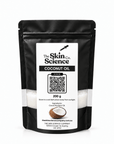
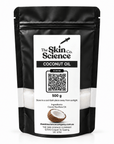
Packaging varies by season: bottles in warm months, packets in cool months.
Cold-pressed coconut oil (INCI: Cocos Nucifera Oil), pressed from the meat of mature coconuts. It is solid below about 24°C and melts to a clear oil on warm days, with a soft, natural coconut scent. It is one of the most used oils in body butters, balms, soap, hair masks and DIY skincare.
At a glance
- INCI: Cocos Nucifera Oil
- Extraction: Cold-pressed
- Appearance: White solid when cool, clear liquid when warm
- Melting point: About 24°C
- Aroma: Mild, natural coconut
- Sizes: 100g, 200g, 500g. For 1kg and larger, see Coconut Oil Wholesale
- Documentation: COA and SDS available on request
Why formulators use it
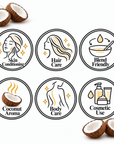
- Rich, cushioning feel: High in lauric acid, which gives balms and butters a smooth, firm texture.
- Soap making: Gives a hard bar with a fluffy, bubbly lather.
- Hair care: A classic choice for pre-wash hair masks and leave-in treatments for the ends.
- Easy to work with: Melts at body temperature, so it blends easily into balms and whipped butters.
Suggested usage rates
- Body butters and balms: 10 to 40%
- Lip balms: 10 to 30%
- Hair masks: up to 100%
- Cold process soap: 15 to 30% of the oils
- Creams and lotions: 2 to 10% of the formula
In soap, coconut oil above about 30% of the oils can feel drying, so most recipes pair it with Olive Oil or Shea Butter.
How to use it
- Body: Warm a small amount between your palms and smooth over damp skin after showering.
- Hair: Apply to the lengths and ends, leave for 30 minutes or overnight, then shampoo out.
- Balms: Melt with beeswax and butters, pour into tins and let set.
Frequently asked questions
Why is my coconut oil solid?
Coconut oil turns solid below about 24°C and liquid above it. Both are normal and do not affect quality. Stand it in warm water to melt it.
Can I use coconut oil on my face?
Some people do, but it is rich and can feel heavy on oily or acne-prone skin. For the face, a lighter oil such as Jojoba Oil usually suits better.
What is the difference between coconut oil and MCT oil?
Coconut oil is the whole oil and is solid when cool. MCT Oil is a refined fraction of coconut oil that stays liquid, is odourless and feels much lighter.
Why does the packaging change?
To avoid leaks, we ship coconut oil in bottles in the warmer months and in packets in the cooler months.
Do you sell bulk coconut oil?
Yes. 1kg to 20kg sizes are on our Coconut Oil Wholesale page.
Using coconut oil on your face
Coconut oil is rich and can feel heavy on the face. It is usually given a comedogenic rating of around 4 out of 5, so it is more likely than lighter oils to clog pores.
- Suits: dry skin, the body, and use as a cleansing oil that you remove straight away.
- Not ideal for: oily, combination or breakout-prone faces, especially as a leave-on.
As a cleansing oil: warm a pea-sized amount between your fingers, massage over dry skin to lift makeup and sunscreen, then wipe off with a warm, damp cloth. Patch test first.
For a leave-on face oil, MCT Oil is the lighter alternative. It is made from coconut oil but stays liquid, is odourless and absorbs without a greasy film.
Pairs well with
Refined Shea Butter, Mango Butter, Yellow Beeswax and Vitamin E Oil.
Storage
Keep tightly closed in a cool, dry place. It is fine for it to melt and set again.
For external use only. Patch test before use. This product is a cosmetic ingredient and is not intended to diagnose, treat, cure or prevent any disease.